ServicesStorm Damage Repair
Storm Damage Repair in Zebulon, NC
Wind, hail and falling limbs can loosen shingles and crack flashing in ways you cannot see from the yard. We inspect the whole roof, photograph every finding and repair what the storm actually damaged, so your home stays dry and your attic stays comfortable.
What storm damage repair covers
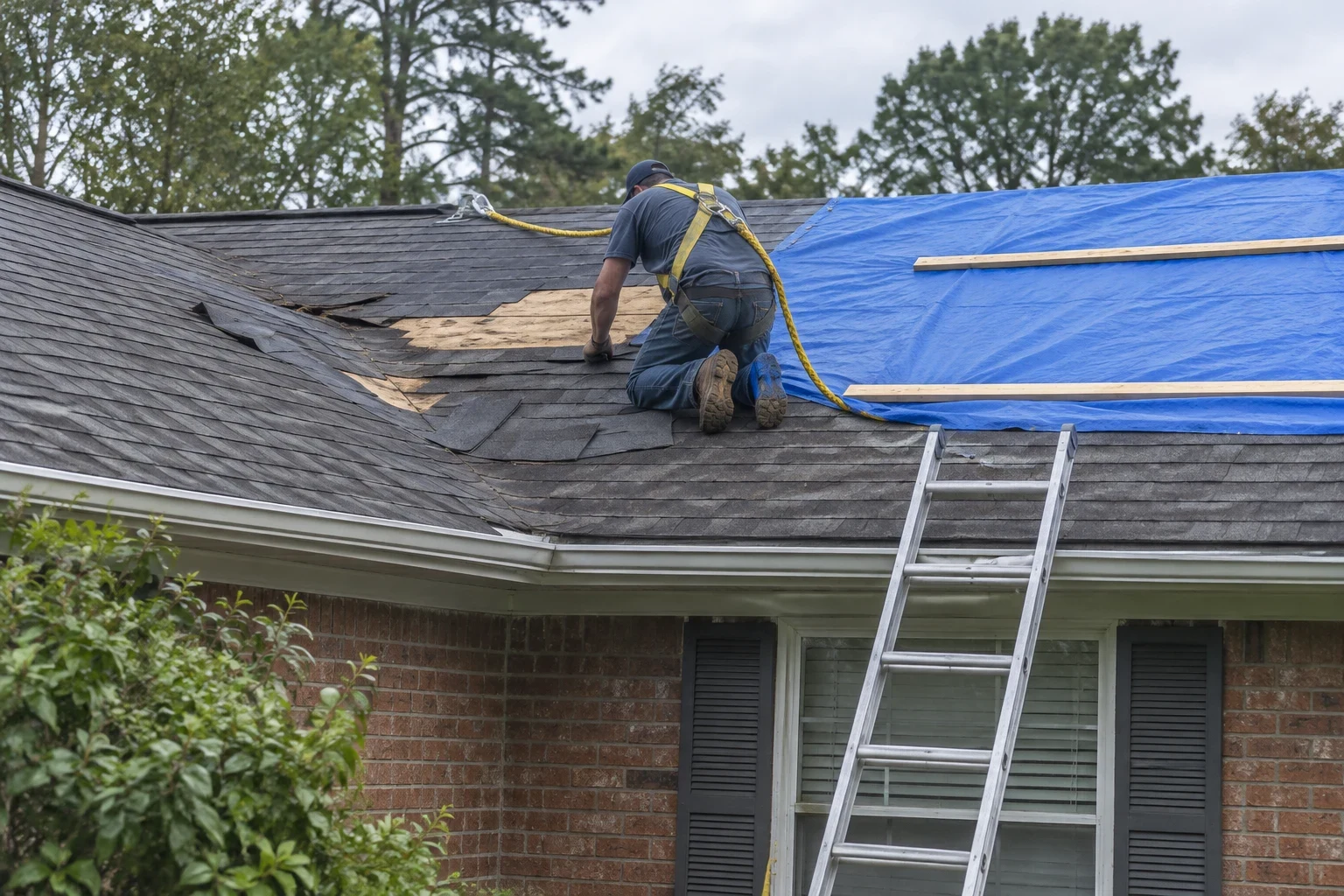
Storm damage repair means tracking down and correcting the harm one particular storm left on your roof. Sometimes it is a row of creased shingles near the ridge. Other times it is hail bruising, a drip edge pulled loose or a hole where a limb landed. Our aim is to bring the roof back to its pre-storm condition with materials that match what you already have.
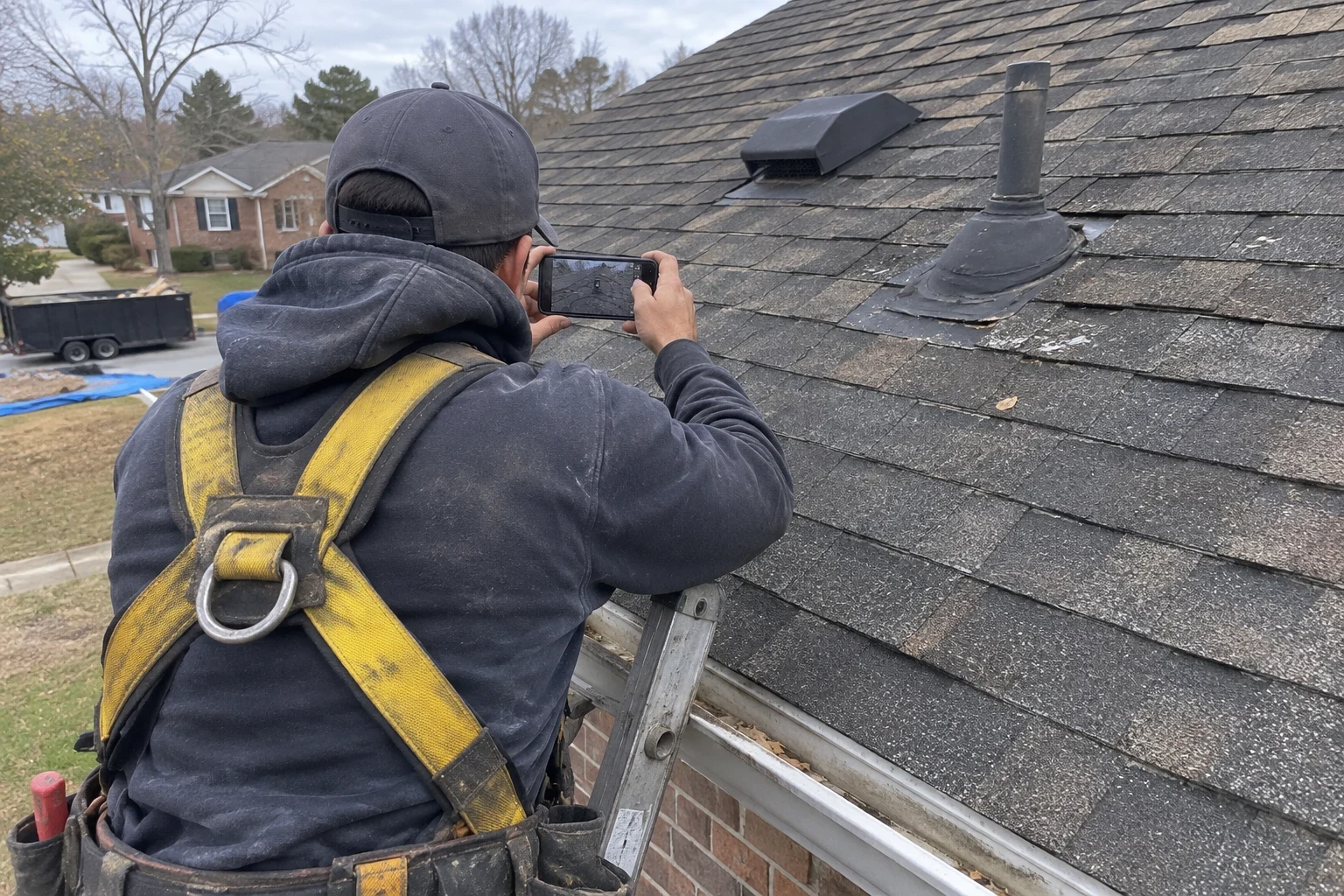
We start with a careful inspection and a photo report of findings. You see the same pictures we see, with each problem marked, before any decision is made. If the damage is limited, a repair is the right answer. If it is spread across most slopes, we will say so plainly and talk through roof replacement instead.
Minor storm damage rarely stays minor. Once a shingle loosens, wind-driven rain can work down to the decking, and insulation that gets damp does a far poorer job of holding back heat. Catching it early protects the structure and keeps cooling bills in check through a long North Carolina summer.
What the work includes
- Full roof and attic inspection
- We walk the slopes, check flashing, vents and valleys, and look inside the attic for staining or wet insulation. Storm damage often shows up first from below.
- Photo report of findings
- Every issue is photographed and noted by location. The report is yours to keep and to share with your insurance company.
- Adjuster meetings and claim help
- We offer adjuster meetings and help through the insurance claim process. We can be on the roof with the adjuster to point out what we documented, while the coverage decision stays with your insurer.
- Matched shingle and flashing repair
- We source new shingles that come as close as possible to your existing shape and shade, then seal each one down so it lies flat. Flashing that is bent or cracked around chimneys and pipes gets reset or replaced.
- Ventilation and insulation check
- Storms can dislodge ridge vents and soak attic insulation. We restore airflow and flag wet insulation, because both affect how hot the upstairs rooms get and how hard your cooling system works.
- Cleanup and magnet sweep
- We collect debris, old shingles and nails, and run a magnet over the lawn and driveway before we leave.
Signs your roof took storm damage
Shingle debris on the lawn
Finding bits of shingle or ridge cap after a storm tells you something on the roof let go. A single missing tab is enough to leave the underlayment open to sun and rain.
Dents on metal and gutters
Hail that dents gutters, vent caps or a mailbox has usually struck the shingles too. Bruised shingles lose granules and age faster.
Granules collecting at downspouts
A heavy wash of gritty granules after a storm points to impact damage. Those granules shield the asphalt from UV and heat.
New ceiling or attic stains
A fresh water spot after heavy rain is a clear sign water got past the roof. Check the attic around chimneys, vents and valleys.
Higher cooling bills after a storm
Wet insulation or a damaged ridge vent can make upstairs rooms noticeably warmer. It is a quieter sign, but a real one.
What shapes the cost of storm repair
We price storm repair from what the inspection turns up, which is why neighboring roofs hit by the same storm can need very different work. Your policy and the adjuster's decision determine how much insurance covers. For any share you pay yourself, financing is available through Acorn Finance.
How much of the roof is affected
Replacing a few shingles on a single slope takes little time or material. When damage is spread over several slopes, the scope grows quickly and replacement may become the more sensible choice.
Condition of the decking
Plywood that has taken on water can soften or separate, and those sections must be replaced before new shingles are laid. We can only judge this once the damaged area is opened up.
Matching existing materials
When a shingle line has been discontinued, finding a match takes more effort. On older roofs, a larger area sometimes needs new material so the color and the weather seal stay consistent.
Pitch and access
A steep roof or a high eave calls for extra harnesses, roof jacks and ladder work before repairs can begin. Limited room around the house to stage materials can add hours to the day as well.
Flashing, vents and attic work
New chimney flashing, a replacement ridge vent or swapping out wet insulation each widens the job, and each plays a part in keeping rain and summer heat outside.
How a storm repair moves from call to finished roof
- 1
Free roof inspection
You call, and we set a time to inspect the roof and attic. Nothing is torn off and nothing is sold on the spot.
- 2
Photos and an honest answer
We go through the photo report with you and explain whether repair or replacement makes sense. You get a written estimate with each item listed.
- 3
Insurance, if it applies
If you file a claim, we can meet the adjuster and share our documentation. Many homeowners around Wendell and Knightdale prefer to have the photos in hand before that visit.
- 4
Repair day
We protect landscaping and walkways, remove only the damaged materials, check the decking beneath, and install matched shingles and new flashing where needed.
- 5
Final walk-through
Once the yard is clean, we show you photos of the finished work and point out anything worth watching in future seasons.
Storm damage repair questions
Should I call my insurance company before or after the inspection?
Many homeowners find it helps to have the inspection first. Our photo report shows whether there is storm damage worth claiming, which can save you from filing for something minor. The choice to file is always yours.
Will you deal with the adjuster for me?
We offer adjuster meetings and help through the insurance claim process. We meet the adjuster on site, walk them through the damage we photographed and answer roofing questions. We do not act as your adjuster or decide coverage.
Can you match my existing shingles?
Usually we can source a shingle that closely fits your current style and color. If your product line is no longer made, we bring the nearest options to you in person and explain how each will look on the roof before any work begins.
How quickly should I get the roof checked after a storm?
The earlier the better, because fresh damage is easier to connect to a particular storm. Most insurance policies also have reporting deadlines. A lifted shingle left through a few rounds of rain can let water reach the decking and turn a modest repair into a larger one.
Do you also check gutters and siding?
Yes. Hail and wind often hit gutters and siding along with the roof, and we note that damage in the same photo report. Our gutters and siding teams can handle those repairs, so the whole claim is documented together.
Find out what the storm really did
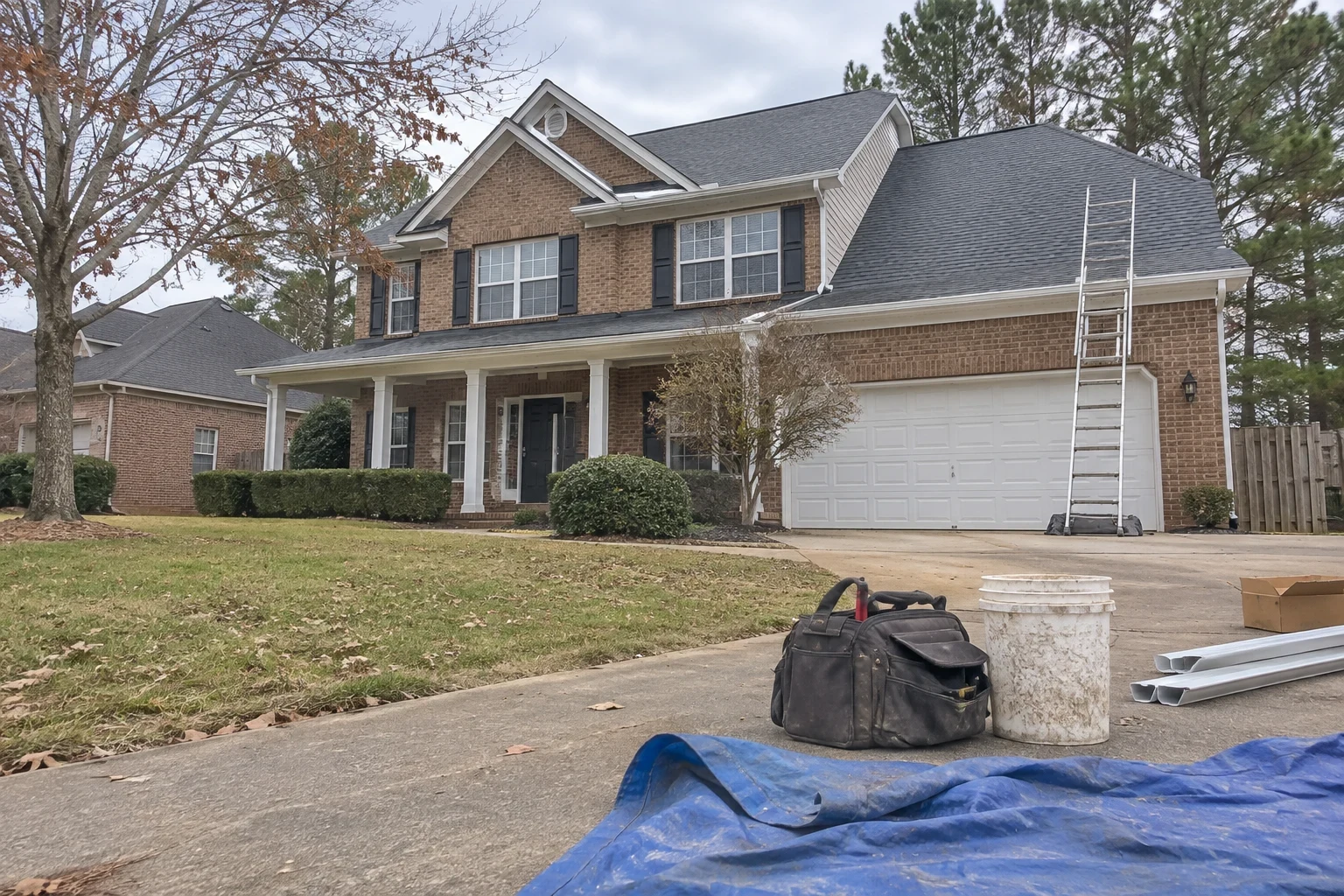
We will inspect the roof and attic at no cost and give you a photo report of findings you can keep. From there, you decide the next step with clear information.