ServicesSiding
Siding Installation and Repair in Zebulon
Good siding depends on what sits behind it: the wrap, the flashing and the sheathing. We get those layers right first, then hang panels that shed rain, cut drafts and give your home a clean, finished face. It begins with a free inspection and a photo report of what we see.
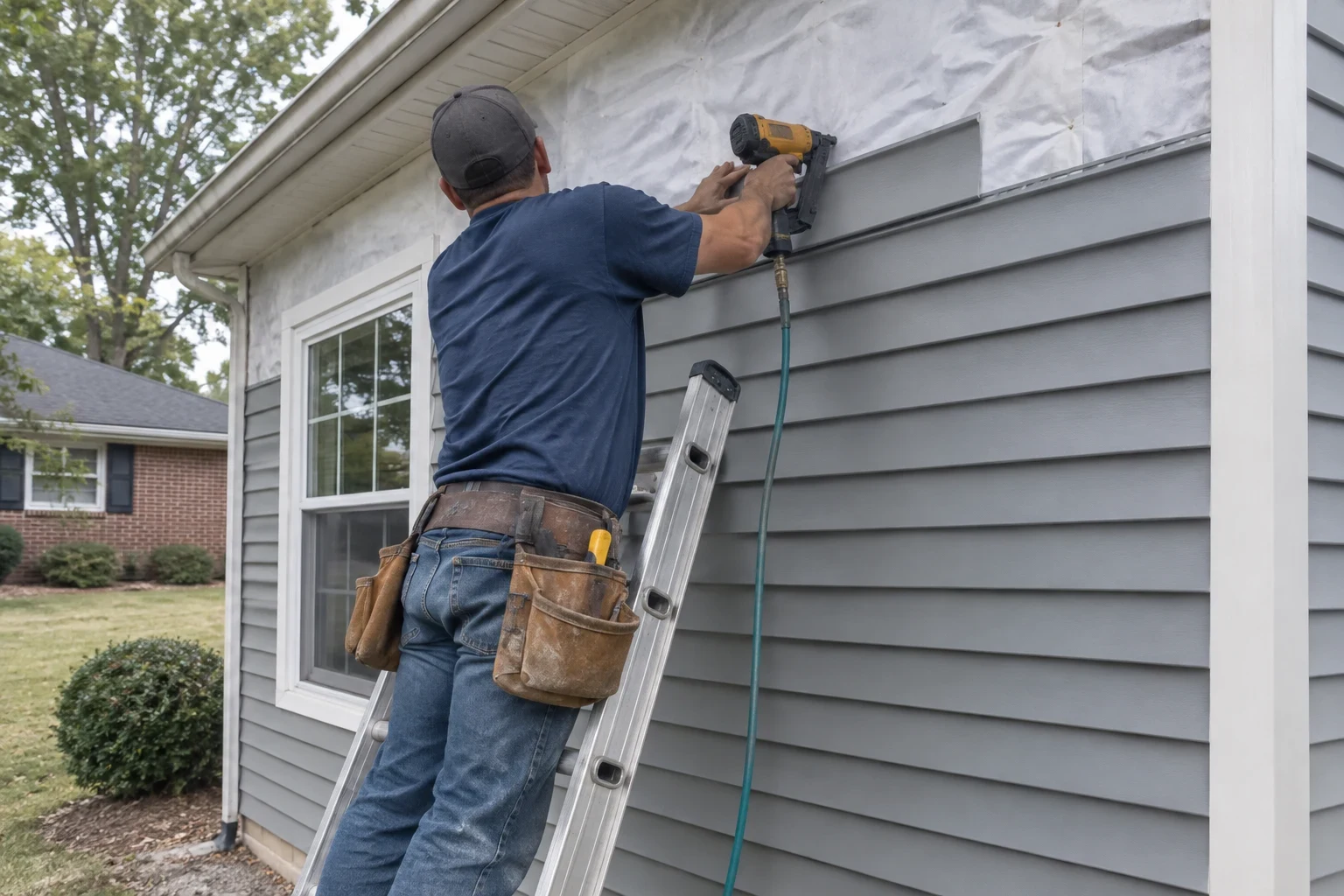
What New Siding Should Do for Your Home
Siding is the rain jacket for your walls. When panels crack, warp or pull loose, water and outside air find the gaps, and the sheathing behind them starts to soften. You notice it as a damp smell, a cold corner in January or a room that never cools in July.
Our work covers both repair and full replacement. A few storm-damaged panels can often be replaced on their own. When the damage is widespread or the old siding has reached the end of its life, we strip the wall, fix what is underneath and install new siding over fresh house wrap.
The comfort gain is real but modest, and we say so. Most of it comes from sealing air leaks and adding a continuous weather barrier. Insulated vinyl adds a thin layer of foam backing that helps further. We will tell you plainly which option makes sense for your walls and budget.
What Our Siding Work Includes
- 01
Removal down to the sheathing
On a replacement, we take off the old siding so we can see the wall itself. Hidden rot and soft spots get found now instead of after the new panels are up.
- 02
Sheathing repair
Water-damaged boards are cut out and replaced. We photograph them first so you see exactly what was changed and why.
- 03
House wrap and flashing
A continuous weather-resistant barrier goes over the wall, taped at the seams. Window and door openings get proper flashing so water runs out and away instead of in.
- 04
Your choice of material
We install standard vinyl, insulated vinyl with foam backing, and fiber cement with a factory-applied finish. Each behaves differently in heat and humidity, and we walk you through the tradeoffs.
- 05
Trim, corners and details
Corner posts, J-channel, soffit edges and utility blocks are fitted cleanly so the finished wall looks deliberate, not patched.
- 06
Cleanup each day
Old panels, nails and wrap scraps are gathered daily, and we run a magnet over the lawn and beds before we leave.
Questions about Siding?
Call(919) 646-2324Clues That Siding Is Letting Weather In
Wavy or bulging vinyl
Panels that ripple were often fastened too tightly or have spent too many summers in direct sun. Once they distort, the overlapping edges stop sealing.
Wall sections that feel spongy
A spot that flexes under your hand usually means moisture has soaked into the sheathing. It should be opened and checked before the damage grows.
A room that never feels right
When one room along an outside wall runs colder in winter or warmer in summer than the rest of your home, gaps or missing wrap behind the siding are a likely cause.
Splits, punctures or gaps
Hail, high wind and falling limbs can leave openings that let water in with each rain that follows.
Green growth that returns
Mildew that comes back on a shady wall after cleaning can be a sign of moisture held behind the panels rather than on their face.
From First Visit to Final Walk-Through
- 1
Free inspection with photos
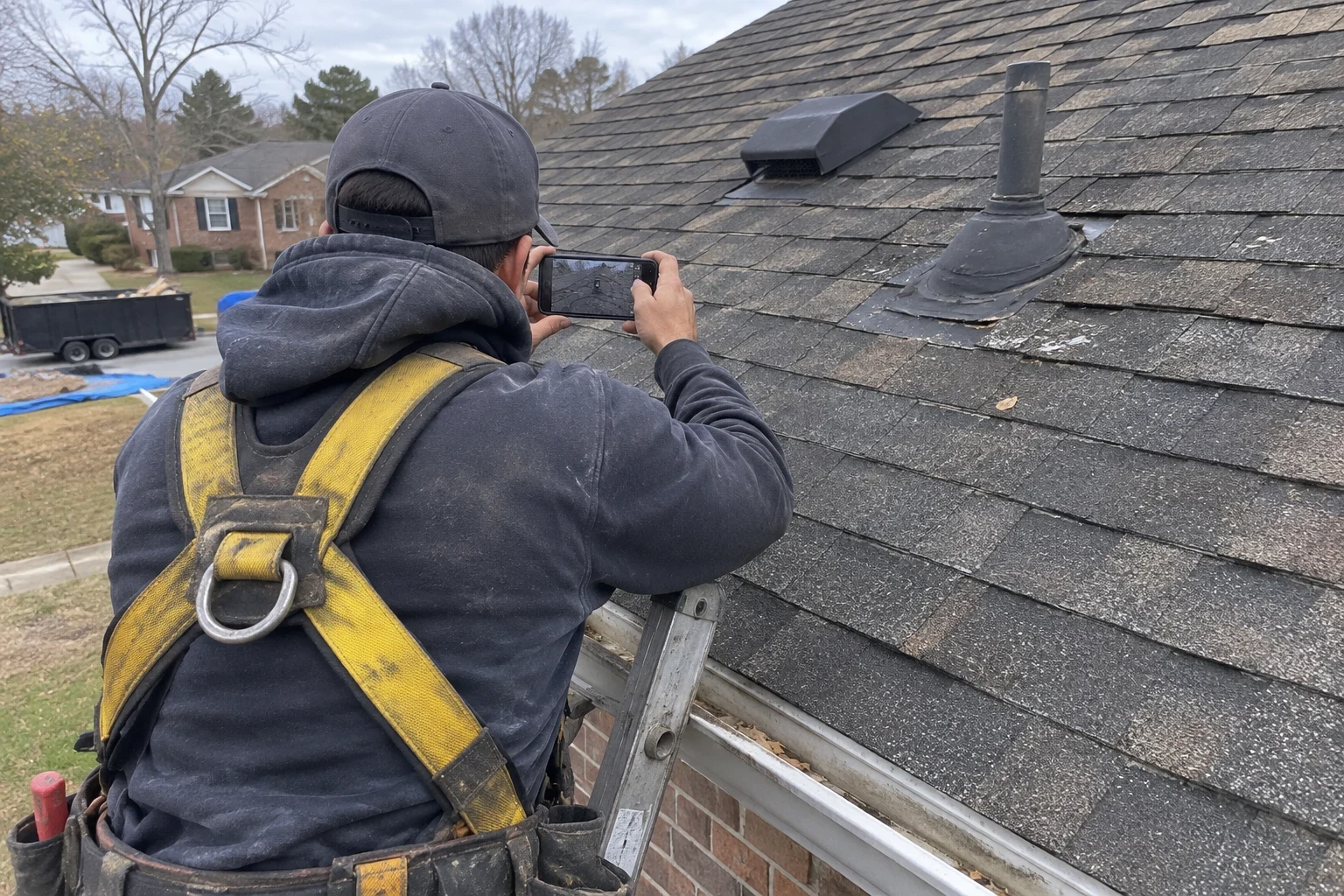
We go around the outside of your home, press on suspect areas and photograph anything that worries us. The photos come to you along with an honest opinion on whether repair or full replacement makes more sense.
- 2
Estimate in writing
Material, wall area, trim and a sheathing allowance are each listed on their own line. If your town requires a permit, we pull it.
- 3
Removal and board repair
Old siding comes off in sections we can close up the same day, so no part of the house sits exposed after we leave. Any damaged sheathing is cut out and replaced as it turns up.
- 4
Wrap, flashing, then siding
The weather barrier and flashing go on before a single panel is hung. Siding, corners and trim follow, fastened with room for the material to move as summer temperatures climb.
- 5
Walk-through and cleanup
You and we look over each wall together. The yard is cleared, and you receive photos of the completed work.
What Shapes the Cost of New Siding
Two things drive most siding estimates: the amount of wall being covered and the material you choose. The third is harder to predict until the old panels are off, which is the condition of the boards underneath. Your written estimate breaks out each of these, and financing is available through Acorn Finance if paying over time suits you better.
- Size of the walls
- Every extra square foot needs its own panel, fasteners and wrap, plus the hours to hang them. Taller walls on a two-story home call for staging or a lift, and setting that up adds to the schedule.
- The material you pick
- Standard vinyl is the most economical choice. Insulated vinyl lands between the two, and fiber cement asks for more labor because each plank is heavier and must be cut and fastened with more care.
- What the sheathing looks like
- Soft or rotted boards found during tear-off have to be replaced before anything new goes on. We photograph them and show you before that work begins.
- Openings and architectural detail
- Gables, bay walls and a lot of windows and doors mean extra cuts, extra flashing and more finish trim than a simple, flat wall.
Siding Questions We Hear Often
Will new siding lower my energy bills?
It can help, mainly by stopping air leaks through the wall. The new house wrap does much of that work, and insulated vinyl adds a bit more. It will not replace attic insulation, so we keep expectations honest. Most people notice steadier room temperatures more than a dramatic change in the bill.
Can you replace only a few damaged panels?
Often, yes. We try to match the profile and color of your existing siding. On older vinyl, sun fading can make an exact match hard, and we will tell you before we start if the new panels may look slightly different.
Does homeowners insurance cover siding damage from a storm?
Hail and wind damage is often covered, depending on your policy. We document the damage with photos, can meet your adjuster on site, and help you through the claim process. Your insurer makes the coverage decision. Our Storm Damage Repair page covers roofs hit in the same storm.
Should I choose vinyl or fiber cement?
Vinyl is lighter, quicker to install and easy to care for. Fiber cement is heavier, resists dents and fire better, and has a crisper look. In our humid summers both hold up well when installed over proper wrap and flashing.
How long does a full siding replacement take?
Most homes take several days, depending on size, height and how much sheathing needs repair. Rain can pause work, but we keep every wall closed up at the end of each day.
Find Out What Is Behind Your Siding
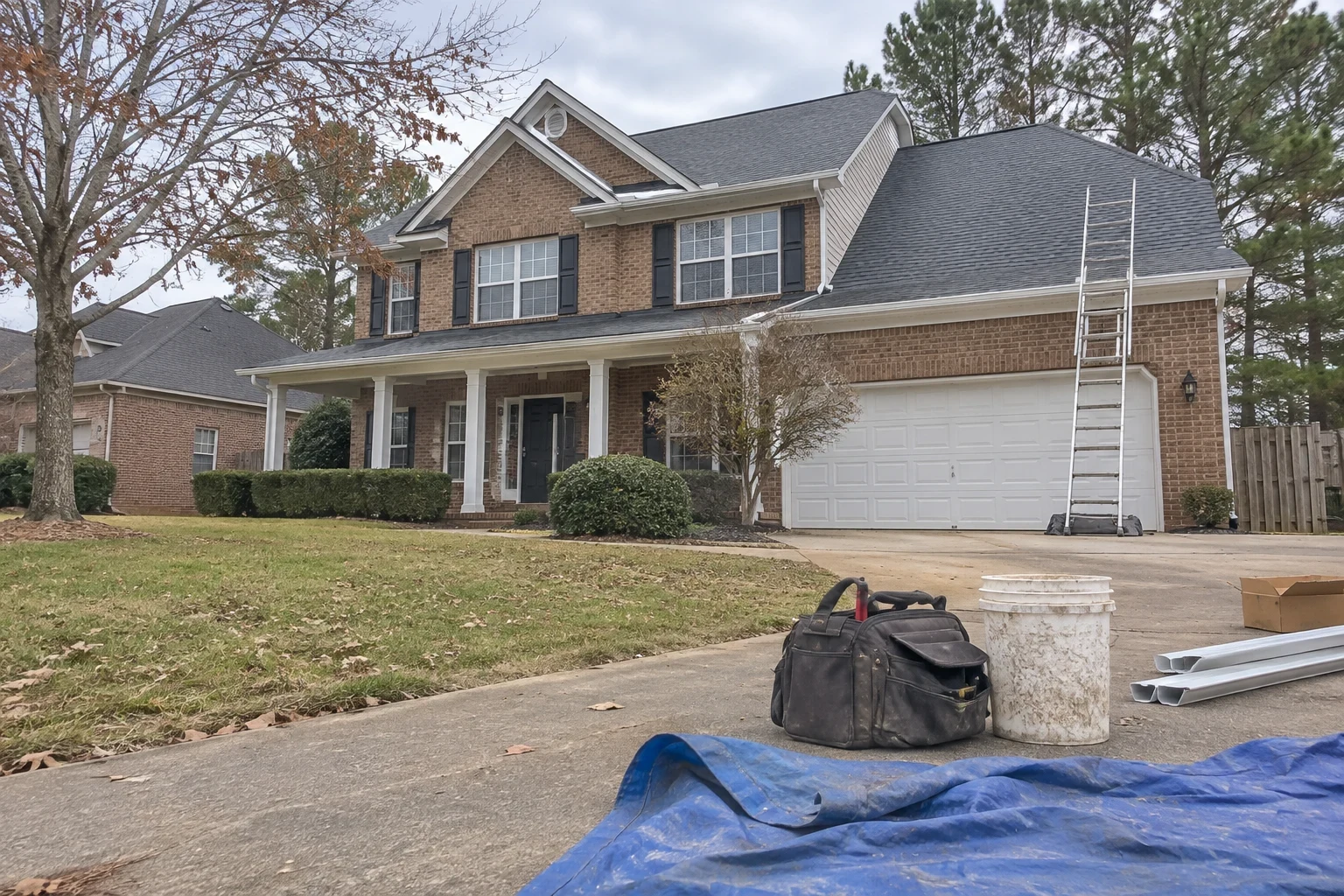
We will look over your walls, photograph anything that concerns us and explain your options without pressure. If we spot gutter or roof issues while we are there, we will note them in the same report.